Acupuncture and Dry Needling

Accupunture
Acupuncture is traditionally a Chinese medicine technique that involves the use of fine needles to stimulate points on the body to help alleviate pain and treat a variety of medical conditions. In Western medicine, we use a couple of different variations both still using needles but targeting different points on the body. It is one of the many skills that we employ as part of an integrated approach to the management of pain and inflammation.
Traditional Chinese acupuncture has been used for thousands of years and forms a strong part of traditional Chinese medicine (TCM). It works on a Chinese medicine diagnosis and is based on the belief that the human body has 12 major pathways called meridians (lines of energy), each linked to specific internal organs and organ systems.
Acupuncture basically involves fine needles being inserted at certain ‘acupuncture’ points to restore the balance of energy (also known as Qi (pronounced ‘chee’)) which when unbalanced is believed to cause pain and illness. Western medical acupuncture uses a western medicine diagnosis.
Both Chinese and Western acupuncture use pre-determined acupuncture points and meridians on the body. Another variation which is becoming very popular is dry needling which doesn’t use acupuncture points, but uses other points found by palpation such as trigger points in muscles. In other words, these points aren’t pre-determined but vary according to the individual.
Dry Needling
Dry needling is often considered to be a Western approach to acupuncture and uses the same fine needles to stimulate anatomically-based ‘targets’ in soft tissues like muscles, tendon and fascia, rather than points along an energy line as in acupuncture.
Dry needling is based on the theory that when trigger points develop in the soft tissues, they lead to neuromuscular dysfunction, which results in pain, decreased function and increased stress on the surrounding soft tissue structures. Trigger points are ‘hyperirratable’ areas in in soft tissue structures such as fascia and muscle and dry needling is used to elicit a twitch response to release the trigger point and restore normal function to the tissue
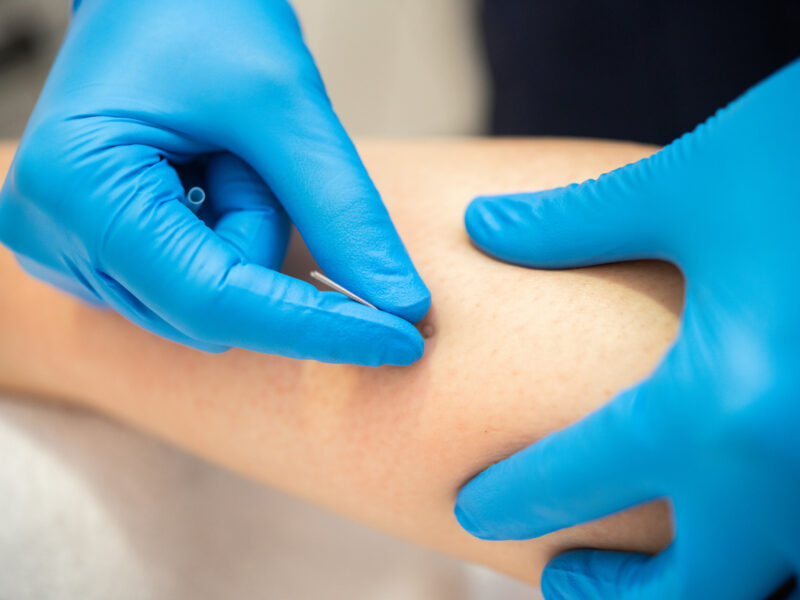
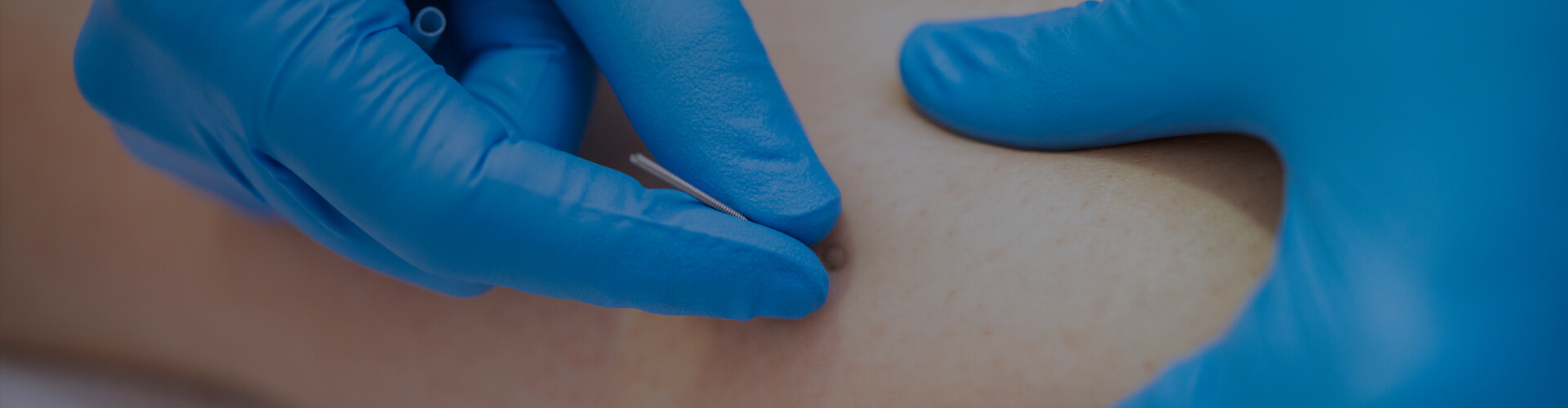
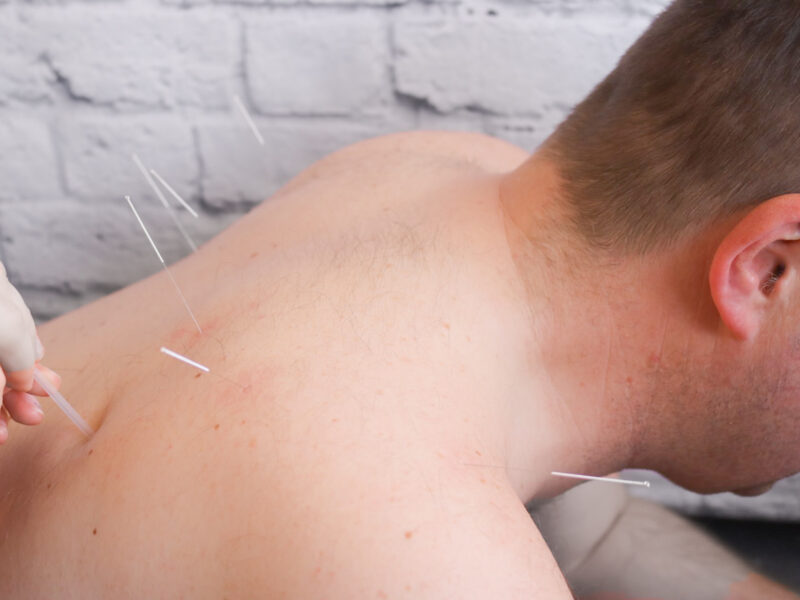
Dry needling and acupuncture involve the use of single-use, pre-sterilised disposable needles of varying sizes that pierce the skin. A number of needles may be used during each treatment, either directly into the painful area or even distally away from the area. They are typically left in position anywhere from a few minutes up to 30 minutes before being removed. Often the needles are reinserted or manipulated by the therapist during the treatment.